With a new baby, your own meals are often the first thing to slip. A biscuit at the counter, cold toast in the afternoon, dinner late at night. That’s completely normal, and it’s exactly why a few simple systems help so much in the first months.
The basics, however you feed your baby
- Eat regularly. Three meals and a couple of snacks, even small ones, can help you feel steadier through long days and nights.
- Include protein at most meals: eggs, yoghurt, beans, lentils, fish, chicken or tofu.
- Add fruit, vegetables and whole grains for fibre, which also helps keep things moving after birth.
- Keep a drink within reach. Water, milk or decaf tea all count.
If you’re breastfeeding
Most of what helps is simple, but a few points are worth knowing.
You may need a little more food
The US Centers for Disease Control and Prevention (CDC) says well-nourished breastfeeding mothers need around 330 to 400 extra kilocalories a day. Needs vary with your body, how active you are and whether you breastfeed exclusively, so let hunger guide you. In practice, that’s about an extra snack or two, such as a wholegrain sandwich or yoghurt with fruit and nuts.
Drink plenty
The NHS suggests drinking plenty of fluids and keeping a drink beside you when you settle down to feed.
Caffeine
Small amounts of caffeine pass into breast milk. The NHS recommends no more than 200 mg a day, while the CDC describes up to around 300 mg a day as low to moderate. Advice differs between countries, so follow your local guidance or ask your midwife, and remember that tea, cola and energy drinks contain caffeine too.
Fish
Fish is a great source of protein. The NHS suggests at least two portions of fish a week, one of them oily (such as salmon or sardines), but no more than two portions of oily fish a week while breastfeeding. Adults should eat no more than one portion a week of shark, swordfish or marlin, which can be higher in mercury.
Vitamin D
The NHS advises breastfeeding mothers to consider a daily 10 microgram vitamin D supplement during autumn and winter. Ask your midwife, doctor or pharmacist what’s right for you and your baby.
Vegetarian or vegan?
Vitamin B12 is the key nutrient to plan for. The CDC notes that babies of mothers who eat no animal products may get very little B12 through breast milk, and the NHS says you may be advised to eat foods with added B12 or take a supplement. Ask your doctor about B12, iodine and choline.
One-handed snacks
- A banana or apple with a cheese stick
- Overnight oats in a jar with a lid
- Wholegrain wraps with hummus and grated carrot, rolled and cut in half
- Boiled eggs, peeled ahead
- Energy balls made with oats, nut butter and dates
- A mix of nuts, seeds and dried fruit
Freezer-friendly meals to make ahead
If you can, cook a few batches before the birth, or ask friends and family to help in the early weeks:
- Lentil or bean soup
- Vegetable and chickpea curry
- Chilli with beans
- Bolognese sauce with extra vegetables
- Oat and banana muffins
Freeze in single portions so you can reheat one meal at a time. My free Meal Prep Made Simple guide has a simple formula and grocery lists to help.
No pressure to diet
Your body has done something huge. In the early months, focus on eating regularly and well rather than cutting back. If you’d like to change your eating or weight later, talk to your doctor or midwife first, especially if you’re breastfeeding.
When to ask for help
If you’re struggling to eat, can’t keep food down, or feel persistently low or anxious, tell your midwife, health visitor or doctor. You don’t have to manage it alone.
How coaching can help
Postpartum nutrition support is about simple, nourishing food that fits around your baby: easy meals, quick snacks and a plan that works on very little sleep.
Sources
- NHS. Breastfeeding and diet. www.nhs.uk
- Centers for Disease Control and Prevention (CDC). Maternal diet and breastfeeding. www.cdc.gov
This article is general information, not medical advice. Always talk to your doctor, midwife or a registered dietitian about your own health.
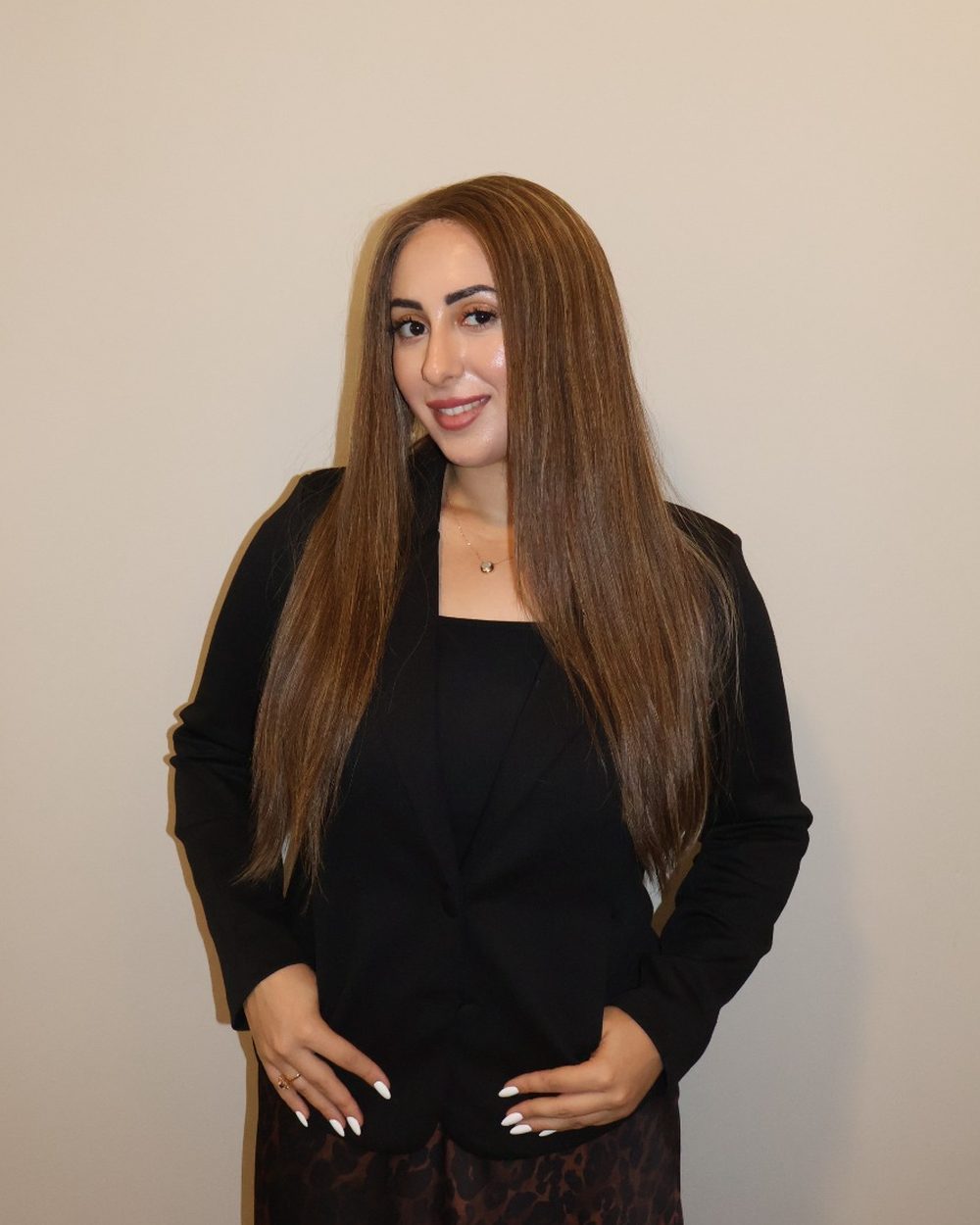
Rivekka is a nutrition coach and the founder of Rivekka Wellness. She helps women build healthier habits through simple, balanced nutrition that fits real life.
More about Rivekka