Search for “PCOS diet” and you’ll find lists telling you to cut carbs, give up dairy or go gluten-free, often all at once. It’s no wonder so many women feel confused. The international guideline for PCOS takes a much calmer view, and it’s worth knowing what it actually says.
First, a new name: PCOS is now PMOS
In May 2026, an international expert consensus published in The Lancet renamed polycystic ovary syndrome (PCOS) as polyendocrine metabolic ovarian syndrome (PMOS). The aim is to improve diagnosis and care. It’s the same condition, and you’ll see both names in use for a while.
What the guideline says about food
The 2023 International Evidence-based Guideline for the Assessment and Management of PCOS is the international guideline written for health professionals. On diet, its message is simple:
- There’s no single best diet. The guideline found no one dietary approach that works better than the others.
- Follow general healthy eating guidance, shaped around your own preferences. Healthy patterns such as Mediterranean-style or DASH-style eating are given as examples.
- Be wary of fad diets. The guideline says misinformation about fad diets should be countered with evidence-based information.
- The benefits don’t depend on weight loss. Healthy eating and physical activity are recommended to improve general and metabolic health and quality of life, with benefits even without weight loss.
In other words, the guideline doesn’t single out carbs, dairy or gluten. If you have a diagnosed allergy, intolerance or coeliac disease, that’s different, and your doctor will advise you.
Weight stigma and your relationship with food
The guideline recognises that weight stigma is common for people with PCOS, and asks health professionals to be aware of it and avoid it. It also says eating disorders and disordered eating should be considered regardless of weight.
If years of strict diets have left you anxious around food, you’re not alone, and it’s worth telling your doctor. Good support should never make you feel ashamed.
Movement counts too
Physical activity is part of the recommended healthy lifestyle, following general activity guidelines and your own goals. The guideline also notes that long periods of sitting and low activity have a greater impact in PCOS. Walking, dancing, cycling or strength training: the best option is the one you’ll keep doing.
What this can look like on a plate
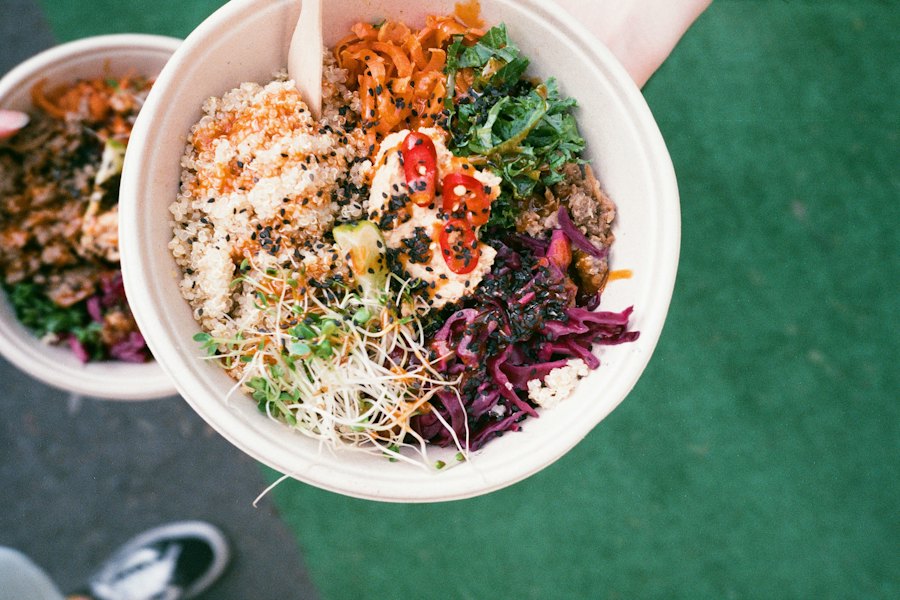
Without a special “PCOS diet” to follow, the focus shifts to steady, balanced eating you can keep up:
- Regular meals, rather than long gaps followed by very large ones.
- Plenty of vegetables, fruit, whole grains, beans and lentils for fibre.
- Protein at each meal, from fish, eggs, yoghurt, tofu, beans or chicken.
- Healthy fats such as olive oil, nuts and seeds.
- Snacks that pair fibre and protein, like yoghurt with fruit or hummus with vegetables.
A sample day
Here’s one example. It isn’t a prescription, just a picture of what balanced eating can look like:
- Breakfast: overnight oats with Greek yoghurt, berries and chia seeds
- Lunch: lentil and vegetable soup with a slice of wholegrain bread
- Snack: an apple with a small handful of almonds
- Dinner: baked salmon, roasted vegetables and brown rice
For more on putting meals together, see how to build a balanced meal.
When to talk to your doctor
PCOS (PMOS) affects much more than food. Talk to your doctor or healthcare team about symptoms, medication, blood tests, fertility or any changes you’re unsure about. Nutrition coaching works best alongside that care, not instead of it.
How coaching can help
Knowing what the guideline says is one thing. Turning it into meals that fit your week is another. In PCOS (PMOS) nutrition support, we build steady routines and make sense of conflicting advice together, at your pace.
Sources
- Summary of the 2023 International Evidence-based Guideline for the Assessment and Management of Polycystic Ovary Syndrome. Medical Journal of Australia, 2024; 221(7). www.mja.com.au
- Monash University. Polyendocrine Metabolic Ovarian Syndrome: new name to improve diagnosis and care. EurekAlert!, 12 May 2026. www.eurekalert.org
This article is general information, not medical advice. Always talk to your doctor, midwife or a registered dietitian about your own health.
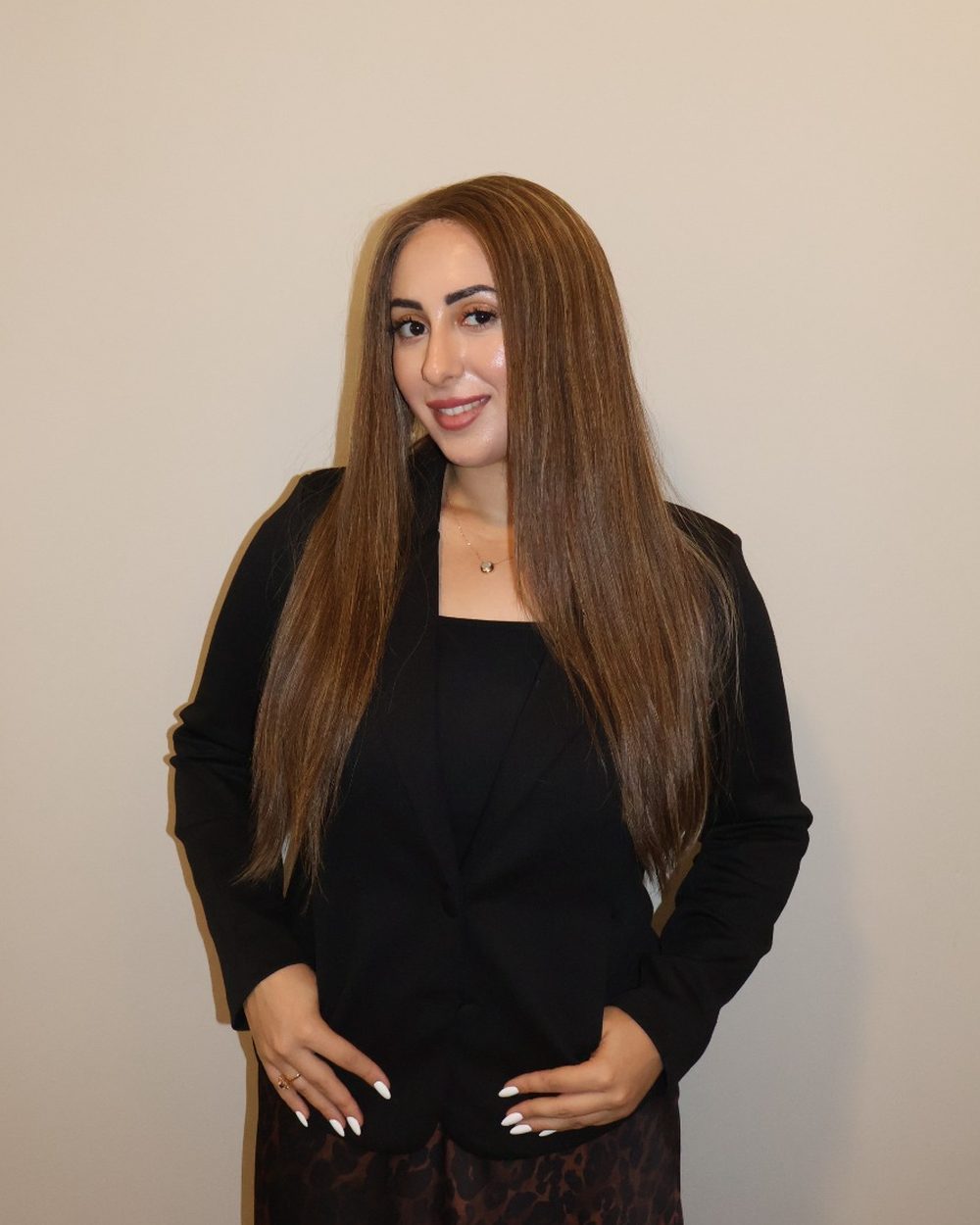
Rivekka is a nutrition coach and the founder of Rivekka Wellness. She helps women build healthier habits through simple, balanced nutrition that fits real life.
More about Rivekka